
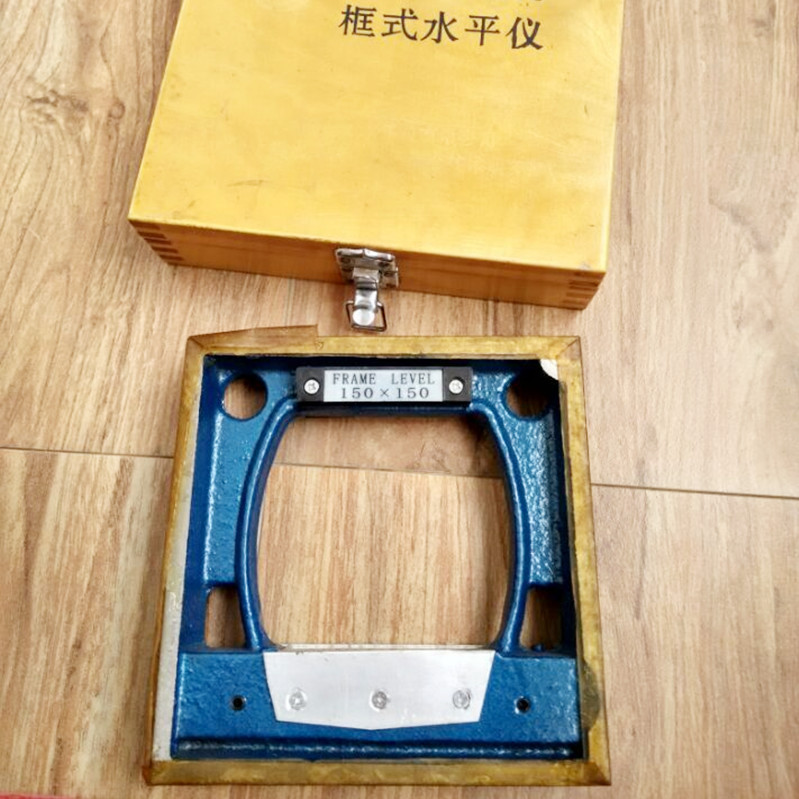
black glass mirror
Understanding Snap Dial Gauges A Comprehensive Overview Snap dial gauges are precision instruments used widely in various industries for measuring linear dimensions and monitoring processes. Their robustness, accuracy, and ease of use make them indispensable tools in fields ranging from manufacturing to quality control. What is a Snap Dial Gauge? A snap dial gauge, also known as a dial indicator, is a measuring tool designed to provide precise measurements of small distances. It typically consists of a needle and a dial display. The needle moves in response to changes in distance, while the dial provides a visual reference of the measurement. This instrument is particularly useful for checking the flatness, alignment, and runout of an object. Components of Snap Dial Gauges A typical snap dial gauge consists of several key components 1. Dial Face The face of the gauge displays a circular scale, often calibrated in millimeters or inches. The markings indicate the measurement range, and the needle provides a direct reading. 2. Probe The probe is the part that contacts the surface being measured. It extends from the gauge and can be adjusted or replaced based on the measurement requirements. 3. Stem The stem houses the mechanism that translates the movement of the probe to the dial. The precision of the stem’s movement is critical for maintaining the accuracy of the measurements. 4. Base This part enables the snap dial gauge to be securely attached to a surface or fixture. A stable base is essential for reliable measurements, especially in dynamic environments. 5. Zero Adjustment Most snap dial gauges come with a zero adjustment feature, allowing users to calibrate the gauge before taking measurements. This ensures that any variations in the environment or gauge wear do not affect accuracy. Applications in Various Industries snap dial gauge Snap dial gauges find applications in numerous industries due to their precision and reliability - Manufacturing In manufacturing, snap dial gauges are essential for quality control processes . They are employed to measure the thickness of components, ensure proper alignment during assembly, and check for tolerances in production. - Automotive In the automotive industry, these gauges are used extensively in engine assembly and maintenance. They help in ensuring that all parts fit correctly and operate efficiently, which is crucial for vehicle performance. - Aerospace The aerospace sector relies on snap dial gauges to maintain stringent quality standards. They are used to measure the components of aircraft, where precision is paramount to ensure safety and performance. - Construction In construction, snap dial gauges assist in leveling and alignment tasks. They help ensure that structures are built to precise specifications, enhancing the durability and safety of buildings and infrastructure. Advantages of Using Snap Dial Gauges 1. Precision Snap dial gauges offer high levels of accuracy, making them suitable for critical measurements in precision engineering. 2. Ease of Use The intuitive design of dial gauges means that they can be used effectively by operators with minimal training. 3. Versatility They can measure a wide range of dimensions, making them versatile tools for different applications. 4. Durability Constructed from robust materials, snap dial gauges can withstand harsh working conditions, ensuring longevity. Conclusion In conclusion, snap dial gauges are vital tools across various industries. Their simplicity, accuracy, and versatility make them an essential part of quality control and measurement processes. Understanding how to use snap dial gauges effectively can significantly enhance productivity and ensure high-quality outcomes. As technology evolves, these tools continue to adapt, incorporating new features that improve their functionality, thereby reinforcing their place in modern engineering and manufacturing practices. Whether you are a technician, engineer, or quality assurance personnel, mastering the use of snap dial gauges will undoubtedly contribute to your professional toolkit.
about
black glass mirror
The Importance of Rubber Pad Anti-Vibration Solutions In an increasingly mechanized world, various industries rely heavily on machinery and equipment to enhance productivity. However, with great power and efficiency comes a common challenge vibration. The incessant shaking and rattling caused by operating machinery can lead to numerous issues, including equipment wear, reduced efficiency, and even health hazards such as excessive noise and discomfort for workers. This is where rubber pad anti-vibration solutions come into play, providing a vital line of defense against the negative impacts of vibrations. Understanding Vibration and Its Implications Before delving into the specifics of rubber pad anti-vibration solutions, it's essential to understand what vibration is and why it matters. Vibration refers to the oscillation of objects around their equilibrium position. In industrial settings, machines operate with moving parts that can generate significant vibrational forces. These forces can propagate through the structure of buildings or installations, resulting in structural fatigue, equipment malfunction, and potential safety hazards. The implications of unchecked vibration are profound. Over time, vibrations can cause machinery to operate inefficiently, leading to increased energy consumption. Equipment may require more frequent maintenance and parts replacement, driving operational costs higher. Moreover, excessive vibration can create a hazardous work environment, resulting in stress and fatigue for employees. Therefore, implementing anti-vibration measures is not only a matter of machinery care but also one of workplace safety and productivity. Rubber Pads A Versatile Solution Rubber pads are a popular choice for mitigating vibrations in various applications. These pads are made from durable rubber compounds that effectively absorb and dampen vibrations, translating the energy into heat rather than allowing it to propagate through structures. The properties of rubber—its elasticity and resilience—allow it to deform under compressive forces, making it ideal for vibration isolation. rubber pad anti vibration One of the key advantages of rubber pad anti-vibration solutions is their versatility. They can be used across many sectors, including automotive, manufacturing, aerospace, and construction. Whether it’s a piece of machinery in a manufacturing plant or a heavy generator on a construction site, rubber pads can accommodate different load capacities and environmental conditions. They are available in a variety of sizes and thicknesses, ensuring that businesses can find the perfect fit for their specific needs. Long-Term Benefits of Using Rubber Pad Anti-Vibration Solutions The long-term benefits of implementing rubber pad anti-vibration solutions are substantial. Firstly, by reducing vibration levels, businesses can extend the lifespan of their equipment. Fewer vibrations lead to less wear and tear on components, reducing the frequency and cost of maintenance. Additionally, by enhancing machinery performance, organizations can achieve operational efficiency, thereby lowering energy costs. Moreover, there are inherent safety benefits associated with the use of anti-vibration pads. By minimizing vibrations, companies can create a safer and more comfortable working environment for their employees. This contributes to better overall morale and productivity, fostering a culture of safety and care. Finally, adopting rubber pad anti-vibration solutions can have a positive environmental impact. By improving machinery efficiency and reducing energy consumption, businesses can also lower their carbon footprint, aligning with global sustainability goals. Conclusion In conclusion, rubber pad anti-vibration solutions are indispensable for modern industries seeking to mitigate the adverse effects of vibration. By prioritizing the integration of these pads into their operations, businesses can enhance equipment longevity, improve workplace safety, and foster a more efficient, productive environment. As the demand for reliability and efficiency in machinery continues to grow, so too will the importance of effective vibration management solutions. Embracing rubber pads is not just a smart operational choice; it’s a proactive strategy for sustaining a competitive edge in today's fast-paced industrial landscape.
-

High quality industrial productsagement

High quality industrial products
View Details -

Meet the diverse needs of customers

Meet the diverse needs of customers
View Details -

Strict quality control

Strict quality control
View Details -

Top raw materials

Top raw materials
View Details -

Trusted supplier

Trusted supplier
View Details
Our application


news and information
Using a Spirit Level for Accurate Measurement Techniques and Applications
Understanding the Spirit Level and Its Measurements The spirit level, also known as a bubble level,
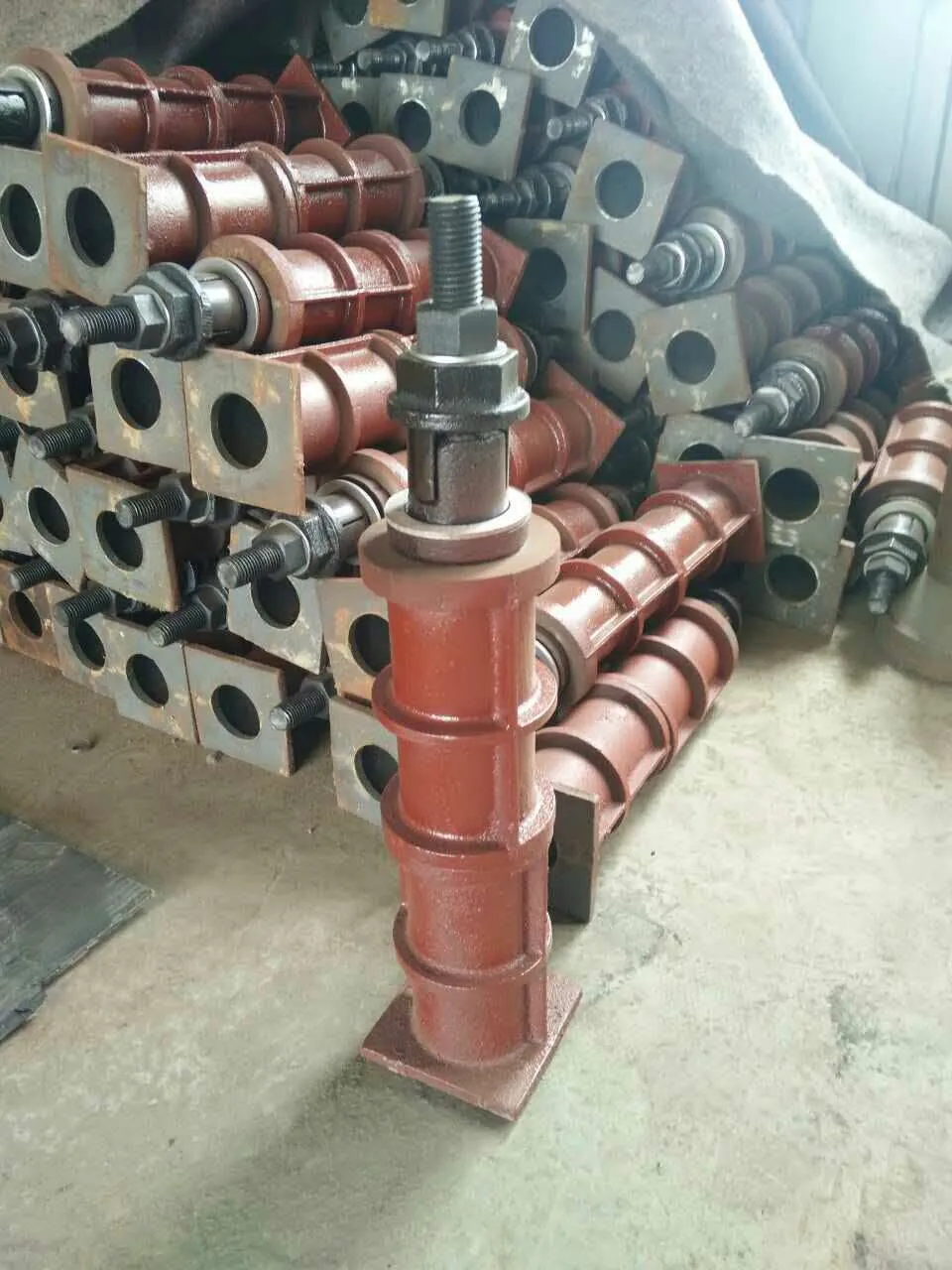
Versatile DIY Welding Table for Home Projects and Metal Fabrication
The Ultimate Guide to Home Welding Tables Home welding has gained immense popularity in recent years
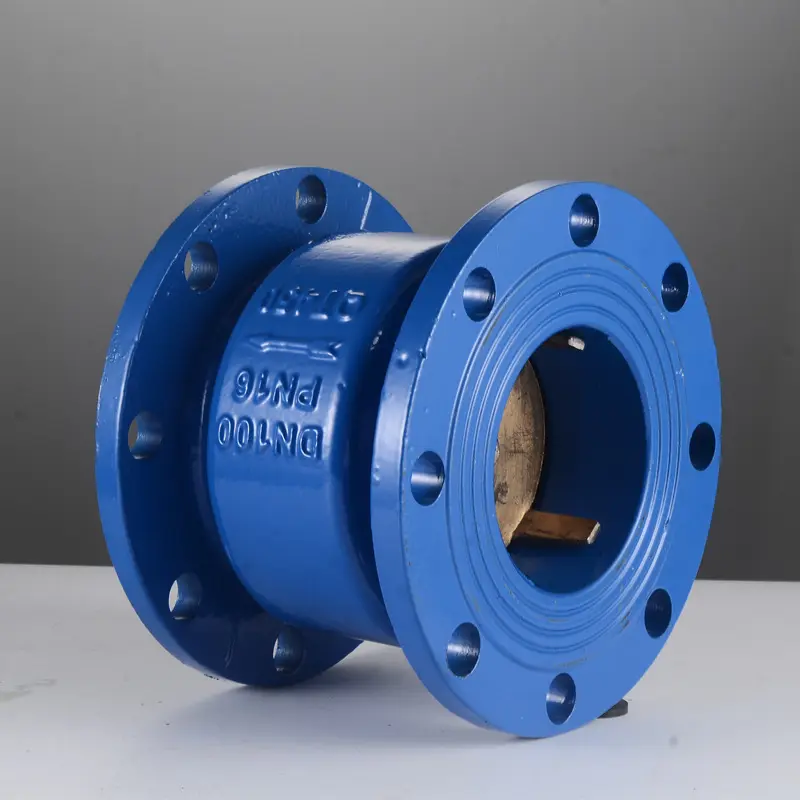
Ventil s klapkou 50 mm pro optimální regulaci průtoku vody
Klapka s průměrem 50 mm Klíčový prvek v regulaci toku Klapky jsou nezbytnou součástí mnoha průmyslov
 English